There was a time when a number plate was just a metal rectangle screwed onto your vehicle. You barely gave it a second thought. As long as the numbers were readable and the police didn’t stop you, life moved on. But somewhere along the way, that changed. Rules tightened, technology crept in, and suddenly High Security Registration Plates—HSRP—became something every vehicle owner had to understand, not just hear about in passing.
At first, it felt like another bureaucratic update. Another form. Another deadline. Another thing to Google at midnight. But once you look a little closer, HSRP isn’t just about compliance. It’s about creating a uniform, traceable system that works quietly in the background, making roads slightly safer and records slightly cleaner.
HSRP plates are standardized, tamper-proof, and permanently linked to your vehicle’s details. They come with a chromium-based hologram, laser-etched codes, and snap locks that can’t be reused once removed. All of this might sound technical, but the idea is simple: one vehicle, one identity, harder to fake or misuse. For a country dealing with vehicle thefts, cloned plates, and untraceable cars, this step actually makes sense.
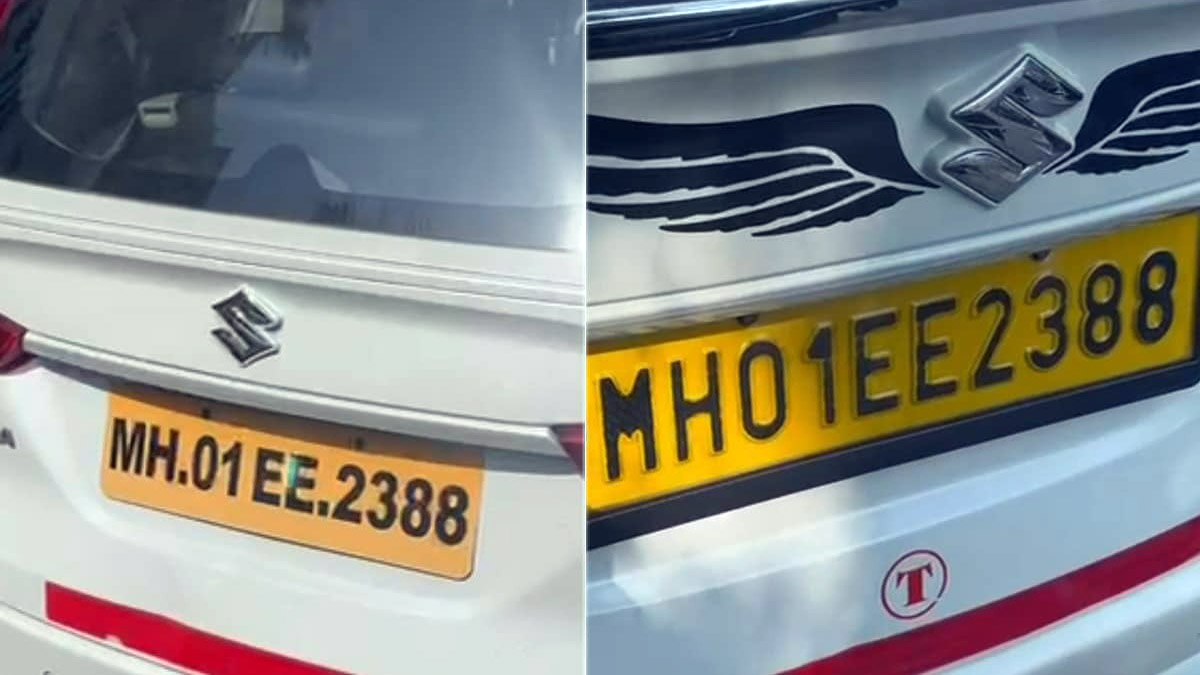 Most people only start paying attention when reminders turn into warnings. Maybe a traffic fine becomes a real possibility, or a new state-level deadline makes the rounds on social media. That’s usually when someone types book my hsrp number plate ↗ into a search bar, hoping the process won’t be as painful as older RTO experiences.
Thankfully, the system today is far more user-friendly than it used to be. You don’t need to take a day off work or stand in long queues. Booking is done online, details are verified digitally, and you choose a fitment slot that suits your schedule. It’s surprisingly efficient—almost suspiciously so, given our past experiences with vehicle paperwork.
But confusion still exists, especially for first-time users. Which site is genuine? What details are required? How long does it take? The answers are fairly consistent across authorized platforms. You’ll need your registration number, chassis or engine number, and basic owner details. Payment is standardized, and once booked, you receive confirmation along with a fitment date and location. On the chosen day, the actual installation often takes less than 15 minutes.
For vehicle owners in Uttar Pradesh, the process comes with its own layer of urgency. UP has been strict about HSRP implementation, and enforcement has become more visible over time. That’s why searches related to book my hsrp up ↗ have steadily increased. People aren’t just trying to follow rules—they’re trying to avoid unnecessary stress on already crowded roads.
What many don’t realize is that getting an HSRP plate early can save more than just potential fines. Older plates tend to fade, crack, or bend over time. Replacing them repeatedly adds up. HSRP plates, on the other hand, are built for durability. The reflective sheeting lasts longer, the plate stays intact, and you don’t have to think about replacements for years. In a small but meaningful way, it’s a long-term upgrade.
There’s also the emotional side of it, which we don’t talk about enough. Owning a vehicle in India isn’t just about transport. It’s about independence, livelihood, family responsibilities. A car or bike often supports daily life in quiet ways—school runs, office commutes, hospital visits, late-night grocery trips. Knowing that your vehicle is properly registered and compliant gives a subtle sense of relief. One less thing to worry about.
The fitment experience itself is usually smoother than expected. Authorized centers are accustomed to handling large volumes. They verify your details, fix the plate using snap locks, and update the system. No bargaining, no under-the-table fees, no awkward conversations. You arrive, it’s done, you leave. For many people, that simplicity feels almost refreshing.
Beyond individual convenience, HSRP also plays a role in the bigger picture. With standardized plates, technologies like automatic number plate recognition (ANPR) become far more effective. This helps in toll collection, traffic monitoring, stolen vehicle recovery, and even hit-and-run investigations. It’s one of those infrastructural changes that doesn’t demand attention but steadily improves how systems function.
Of course, like any transition, it hasn’t been perfect. Early rollouts saw delays, misinformation, and overloaded portals. But over time, things have stabilized. The process today is clearer, faster, and more predictable. The key is not waiting until the last moment, when appointment slots fill up and frustration peaks.
If there’s one piece of advice worth sharing, it’s this: treat HSRP booking like renewing insurance or scheduling a service. It’s not dramatic, it’s not optional, and it doesn’t need to be stressful. Choose a trusted platform, double-check your details, pick a convenient slot, and move on.
In the end, HSRP isn’t about rules for the sake of rules. It’s about bringing a bit of order to the chaos we’ve all learned to navigate. Once your plate is installed, you’ll probably forget about the whole process—and that’s perfectly fine. When something works as intended, it fades into the background, letting you focus on the road ahead rather than the paperwork behind you.