If you’ve owned a vehicle in India for any length of time, you’ve learned one thing: change rarely arrives with a clear instruction manual. It shows up in fragments—news headlines, forwarded messages, half-remembered deadlines. High Security Registration Plates, or HSRP, followed that familiar path. One day they were optional. The next, unavoidable. Somewhere in between, most of us felt a little lost.
At first, it sounded like another administrative layer nobody asked for. After all, the old plates worked, didn’t they? The numbers were visible, the vehicle ran fine, and the roads were already chaotic enough. But over time, as explanations improved and enforcement became more consistent, the idea behind HSRP began to make more sense.
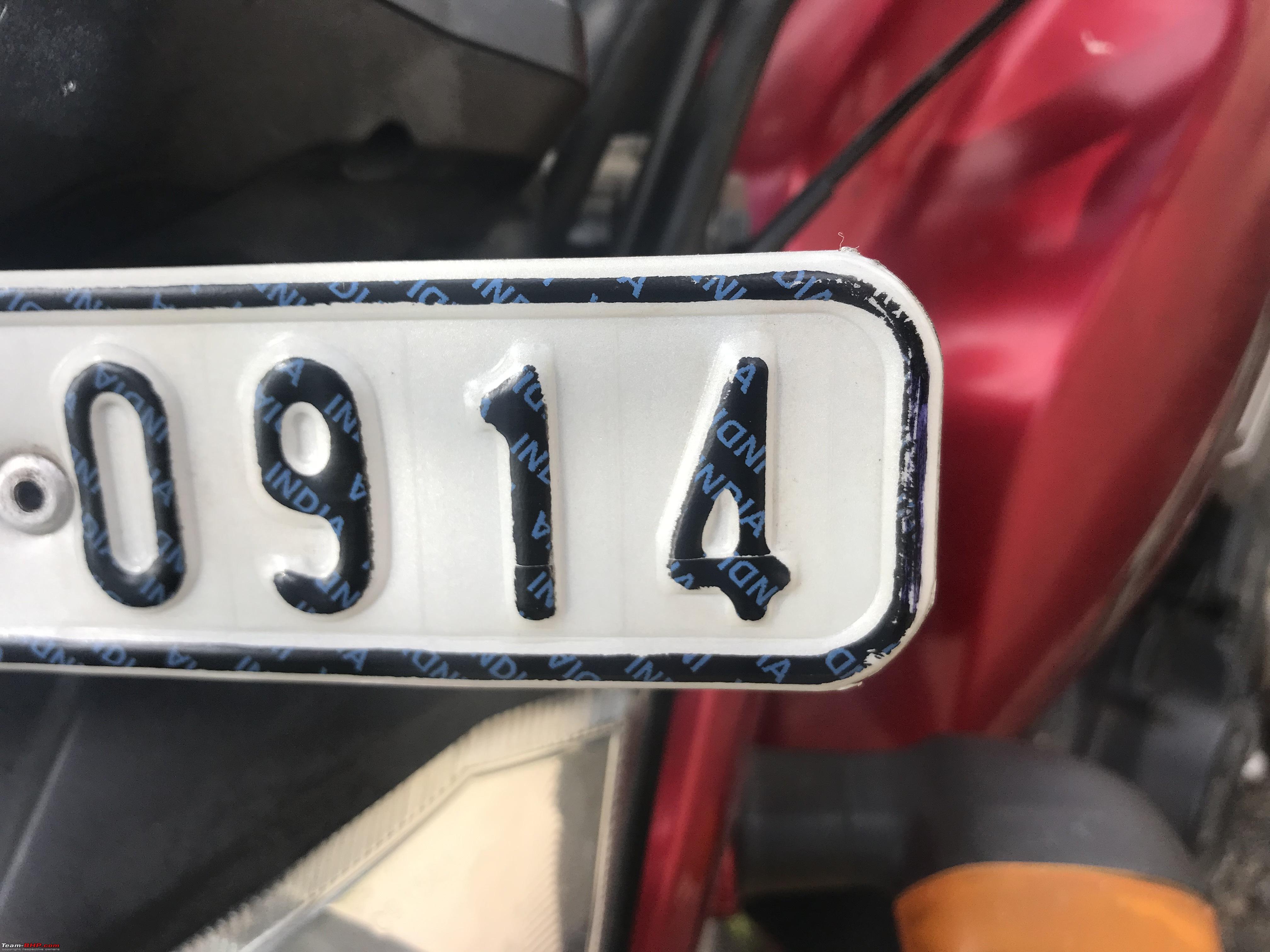 HSRP isn’t about decoration or unnecessary control. It’s about identity. Each plate is standardized, tamper-proof, and digitally linked to the vehicle’s registration details. That might sound abstract, but the impact is practical. It reduces cloned plates, helps track stolen vehicles, and supports newer traffic systems that rely on accurate data rather than guesswork.
The biggest mental shift came when the process moved online. For years, vehicle-related tasks meant queues, missing files, and endless waiting. The idea that something as official as hsrp online registration ↗ could be done from a phone or laptop felt almost suspicious at first. But it worked—and that changed everything.
Online registration removed a lot of fear from the equation. You could sit at home, read instructions carefully, enter details at your own pace, and choose a fitment slot that actually suited your schedule. No rushing during office hours. No awkward conversations with intermediaries. Just a clear process, step by step.
That clarity mattered, especially for people juggling work, family, and long commutes. When systems respect your time, you’re more likely to trust them. And trust, in this case, made compliance feel less like pressure and more like routine.
Of course, understanding the system doesn’t always erase hesitation. Many drivers still delayed booking until the last possible moment. Some hoped deadlines would shift. Others simply didn’t want to deal with “one more thing.” That hesitation is human. We tend to postpone tasks that feel unfamiliar, even if they’re relatively simple.
Then enforcement began to tighten. Checks became more frequent. Fines became real. Conversations shifted from “Do I really need this?” to “Okay, how do I get it done quickly and correctly?” That’s when region-specific searches started trending, especially in states with active implementation.
In Telangana, the transition brought its own set of conversations. Urban traffic, expanding road networks, and a growing number of vehicles made standardization a priority. For many residents, typing book my hsrp telangana ↗ into a search bar became the first step toward clarity. They weren’t looking for shortcuts—just straightforward information that applied to their state.
What they often found was a system that, while not perfect, was far more organized than expected. Authorized platforms guided users through the process with minimal friction. Required details were clearly listed. Pricing was standardized. Appointment slots were visible upfront. It wasn’t flashy, but it was functional—and that mattered.
The fitment experience itself was usually brief. You arrived at the center, your details were verified, and the plates were installed using snap locks. Ten minutes later, you were back on the road. For many, the most surprising part was how uneventful it felt. No drama. No delays. Just a small task completed.
Beyond compliance, there’s a subtle benefit that people notice only afterward. HSRP plates look cleaner. The reflective material holds up better at night. The numbers stay sharp instead of fading into a dull blur. It doesn’t transform the vehicle, but it gives it a sense of order—like replacing a worn-out document with a laminated copy.
Emotionally, that sense of order carries weight. Driving in India already requires constant attention. Traffic rules shift, roads change, and enforcement can feel unpredictable. Knowing your vehicle meets current standards removes one variable from an already complex environment. You’re not scanning for trouble; you’re just driving.
From a broader perspective, HSRP supports a future that’s slowly becoming more data-driven. Technologies like automatic number plate recognition rely on consistency. When plates follow the same format and security features, these systems work better. Toll collection improves. Stolen vehicle recovery becomes faster. Even traffic analysis benefits. It’s progress that happens quietly, without demanding applause.
That doesn’t mean the transition has been flawless. Some people still face technical issues, especially when older vehicle records don’t match digital databases perfectly. Others struggle during peak booking periods when appointment slots fill up quickly. These moments can test patience, no doubt. But compared to the manual processes of the past, the overall direction is clearly forward.
The key lesson here isn’t about plates—it’s about adaptation. Systems evolve. Rules change. And while not every update feels welcome at first, some eventually earn their place by making life a little easier in the long run.
HSRP has reached that stage for many drivers. It’s no longer a looming requirement or a source of confusion. It’s just another part of vehicle ownership, like insurance or servicing. Something you do once, properly, and then forget about.
And that’s probably the best outcome. When a system fades into the background, it means it’s doing its job. You’re free to focus on the road, the journey, and the everyday moments that actually matter—without worrying about what’s bolted to the front and back of your vehicle.