There’s a strange moment that sneaks up on most vehicle owners. You’re driving as usual, mind on traffic or maybe dinner plans, when you spot a police checkpoint ahead. Nothing dramatic happens, but your eyes flick—almost automatically—to your number plate. Is it fine? Is it updated? Is it… allowed? That tiny flash of doubt is often the first sign that something small has grown into something important.
For years, number plates were the least interesting part of owning a vehicle. They faded, bent a little, picked up scratches, and nobody cared much. Then rules changed. High Security Registration Plates entered the conversation, and suddenly that piece of metal had meaning. Not flashy meaning, not emotional meaning—but practical, unavoidable meaning.
What’s Really Behind the Push for HSRP
On paper, the idea of a standardized plate makes sense. Vehicles move across districts and states every day. Some get stolen, some are resold, some are misused. Old-style plates were easy to copy and hard to track. That gap caused real problems.
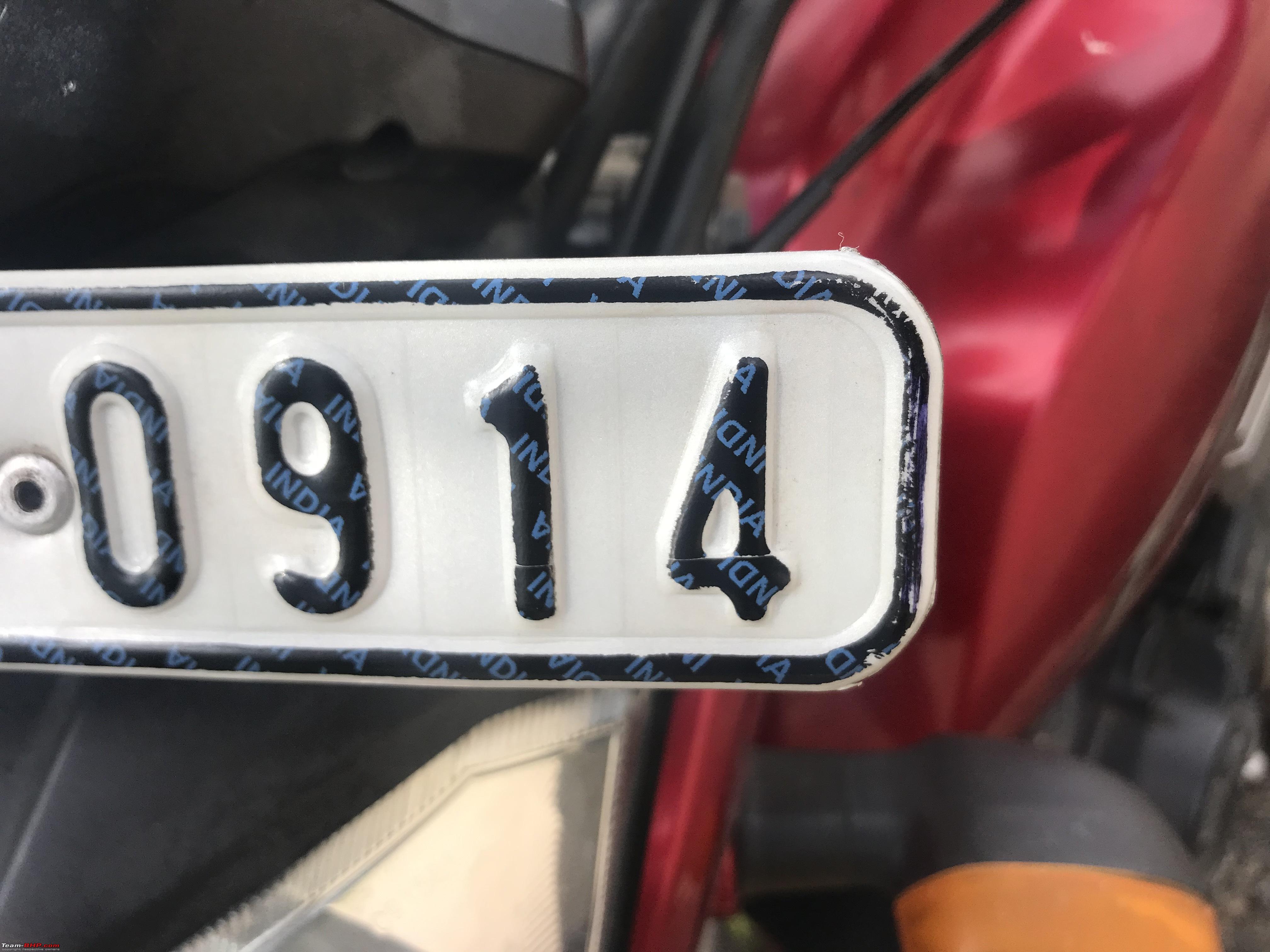
An hsrp number plate ↗ is designed to close that gap. It comes with tamper-proof snap locks, a laser-etched code, and a hologram that ties it to official records. It’s not about aesthetics or showing compliance for the sake of it. It’s about making sure a vehicle can be identified clearly, even years down the line.
Most people don’t think about these systems until they need them—during an insurance claim, a resale, or worse, a theft.
 But when you do need them, you’re glad they exist.
Why So Many People Keep Delaying It
The delay usually isn’t rebellion. It’s hesitation mixed with confusion. People assume the process will be tedious, or that the website will crash, or that they’ll end up paying more than necessary. There’s also the classic mindset: “I haven’t been stopped yet, so maybe it can wait.”
That logic works—until it doesn’t.
What’s changed in recent years is enforcement. It’s more visible now. Deadlines are clearer. Fines aren’t just theoretical anymore. And suddenly, what felt optional becomes urgent. That urgency pushes people to act, often with a little stress attached.
The Booking Fear vs. The Booking Reality
Ask around, and you’ll hear stories. Some true, some exaggerated, some wildly outdated. But the current reality is far calmer than the reputation suggests. The online process exists precisely to reduce chaos. You enter vehicle details, choose a fitment center, select a date, and pay. That’s it.
The phrase number plate booking ↗ sounds formal, almost bureaucratic, but the experience is closer to booking a service appointment than filing official paperwork. If you take a moment, read the instructions, and avoid rushing, the chances of something going wrong are low.
And if something does go slightly off—wrong slot, small detail error—it’s usually fixable. This isn’t a one-strike system.
Old Vehicles, New Expectations
Owners of older vehicles often feel singled out, but in reality, they’re just catching up to a newer standard. Cars sold in recent years usually come with HSRP already fitted. Older vehicles were given time, extensions, and reminders. Now, that grace period is slowly ending.
It’s not about punishing old cars. It’s about bringing every vehicle under the same umbrella so records make sense nationally. Whether you drive a decade-old hatchback or a relatively new sedan, the expectation is the same now.
What Installation Day Is Actually Like
This is the part people worry about the most—and often the part that ends up being the easiest. You arrive at the fitment center with your booking confirmation and registration certificate. You wait a bit. The staff removes the old plate, installs the new one using snap locks, checks alignment, and sends you on your way.
No drilling horror stories. No surprise charges. No aggressive upselling.
Most installations take less time than a routine fuel stop. That’s not an exaggeration. And once it’s done, there’s a small, unexpected sense of relief. One less thing hanging over your head.
The Quiet Benefits No One Talks About
Beyond avoiding fines, there’s a subtle comfort in knowing your vehicle is properly registered and traceable. Traffic checks feel less tense. Crossing state borders feels simpler. Even resale conversations become cleaner when paperwork and plates align.
HSRP also improves data quality across systems—insurance, traffic enforcement, resale records. These aren’t benefits you feel every day, but they show up when something goes wrong. And that’s when they matter most.
A Moment of Honesty
Most of us don’t enjoy dealing with rules, especially when they involve vehicles and paperwork. It’s normal to delay, to hope things stay as they are. But some changes are worth accepting early, simply to reduce future friction.
Getting your number plate updated isn’t a grand gesture. It won’t make your car faster or shinier. But it will make it compliant, secure, and easier to manage in the long run.
Sometimes responsibility looks like this: a small task, done quietly, that saves you from bigger problems later. And once it’s taken care of, you’ll probably forget about it entirely—which, honestly, is exactly how it should be.