For the longest time, number plates were invisible to most of us. You noticed them only when they were dirty, bent, or oddly customized. Otherwise, they blended into the background of daily life—just another part of the vehicle, like mirrors or indicators. Then, almost without warning, high-security number plates stepped into the spotlight. Not loudly. Not dramatically. Just enough to make everyone pause and ask, “Wait, have you done this yet?”
That’s usually how change arrives in real life. Not with speeches or banners, but with small disruptions to routine.
The idea behind High Security Registration Plates isn’t complicated. For years, Indian roads were full of plates that looked… personal. Different fonts, different sizes, sometimes even hand-painted letters. It had a certain charm, but it also created problems. Vehicles were easier to clone. Stolen cars slipped through cracks. Traffic enforcement relied too much on human judgment and too little on reliable data.
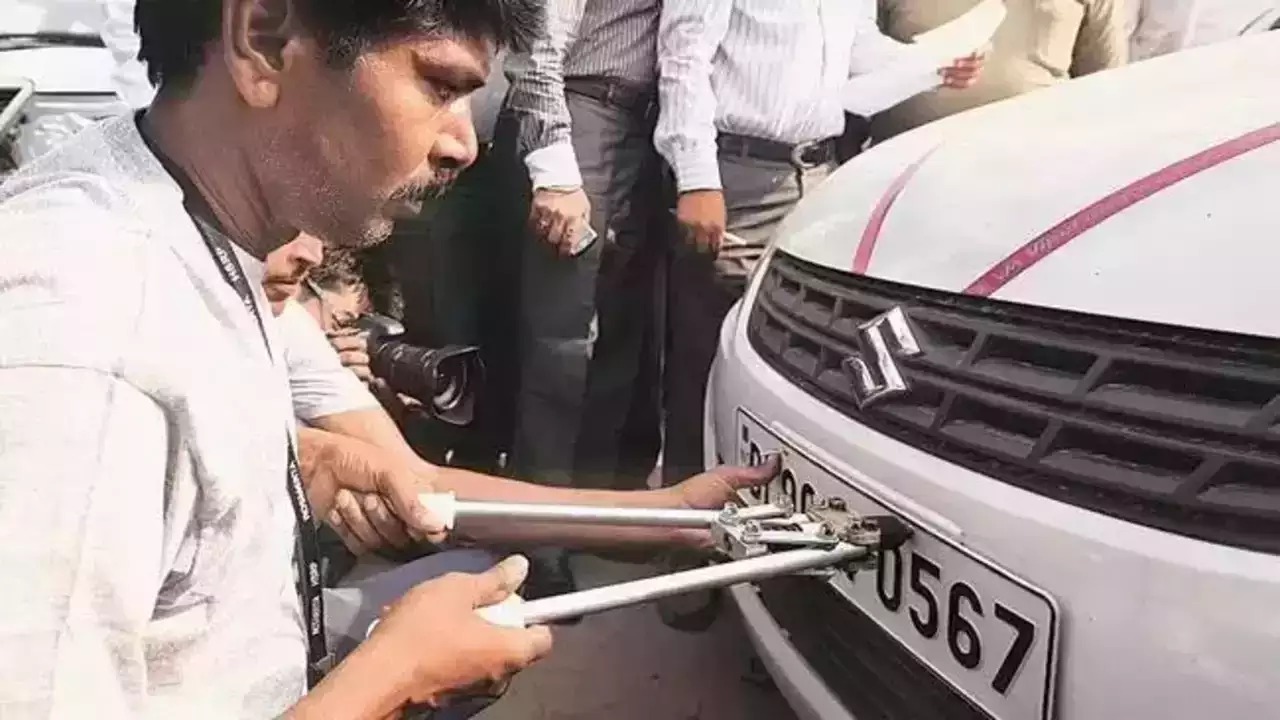
HSRPs were meant to bring order to that chaos. Standardized plates, laser-etched details, tamper-proof locks, and a centralized record system. Once fitted, they’re not supposed to come off easily. From a policy perspective, it’s a sensible move. From a human perspective, though, it’s another task added to an already long list.
And that’s where the real friction begins.
 Most vehicle owners don’t object to rules. What they struggle with is uncertainty. Where do you apply? Which site is genuine? What documents are needed? Is there a deadline you somehow missed? These questions don’t feel dramatic, but they’re exhausting. Especially when answers are scattered across half-updated websites and secondhand advice.
It’s no surprise that many people eventually reach a point of resignation and think, “I should just book my hsrp ↗ and get this over with.” That thought usually comes late in the evening, when the day is quiet and responsibilities finally catch up. It’s not enthusiasm—it’s acceptance.
The good news is that the actual booking process, when done through the right channel, is fairly straightforward. Basic vehicle details, a chosen fitment center, a time slot. That’s it. No secret steps. No endless paperwork. The problem is that people rarely believe it’ll be that simple until they see it for themselves.
Timing plays a bigger role than most realize. Those who booked early often describe the experience as forgettable—and that’s a compliment. It means nothing went wrong. Those who waited until enforcement became strict had a different story. Slots filled up. Centers got crowded. A simple task suddenly required half a day and a lot of patience.
Beyond avoiding fines, there’s another benefit that doesn’t get much attention: mental relief. Once your vehicle is compliant, it’s one less thing hovering in the back of your mind. Traffic stops feel calmer. Automated challans feel less threatening. You’re not second-guessing whether today’s the day someone points at your plate and shakes their head.
The hsrp number plate ↗ itself is an interesting object when you think about it. It’s small, standardized, and deliberately boring. That’s kind of the point. It’s not meant to stand out. It’s meant to work quietly in the background, doing its job without demanding attention. In a country where so much competes for notice, that subtlety matters.
There’s also an emotional layer to this transition that rarely gets acknowledged. Vehicles in India aren’t just tools. They’re milestones. First jobs, family responsibilities, independence. Changing something as visible as a number plate can feel oddly personal. For a while, you notice it every time you approach your bike or car. It feels unfamiliar, almost like rearranging furniture in a room you know well.
Some people worry about aesthetics, especially if they own older vehicles. Will the new plate look out of place? Will it ruin the character of the car or bike? Maybe, at first. But norms settle quickly. Once most vehicles around you look the same, your eyes adjust. What once felt strange becomes normal background detail.
Of course, it hasn’t all been smooth. Some states rolled out the system efficiently. Others struggled with communication and capacity. Customer support wasn’t always helpful. Instructions weren’t always clear. These criticisms are fair, and they’re worth acknowledging. But they don’t cancel out the long-term value of standardization.
What’s fascinating is how this small administrative change reveals bigger patterns in how we behave. We delay things that feel unclear. We act faster when consequences feel real. We complain about systems, but we adapt to them anyway. The HSRP experience is less about metal plates and more about human habits.
Talk to people who’ve already done it, and you’ll hear a familiar refrain: “Honestly, it wasn’t that bad.” Not excitement. Not frustration. Just mild surprise that the task didn’t live up to the anxiety surrounding it. That reaction says a lot.
Rules will continue to change. Technology will keep reshaping how compliance works. What stays constant is our relationship with these changes. Whether we resist, delay, or handle them calmly often determines how stressful they feel.
In the end, the high-security number plate isn’t the story. The story is how quietly systems evolve, how ordinary people adjust, and how small tasks teach us patience we didn’t know we needed. Once it’s done, life moves on. You drive. You park. You forget about it.
Until, of course, someone else asks you if you’ve done yours yet.